Have you ever encountered someone in your life who simply will not show you mercy? Maybe they like to hold your past against you thinking they maintain some sort of control over you. When they do that, are they demonstrating the fruits of God’s Holy Spirit or are they just applying human nature and human reasoning to the situation?
Failing to Assemble for God’s Sabbath
By: Lanora – Woman to Woman Blog –
Many times, I hear people say some of these statements to excuse them from keeping God’s Sabbath day with brethren. Unfortunately, Live Streaming services and other media have made it too easy to stay at home. Does this sound familiar? Maybe you have heard some of these excuses yourself?
It’s too far to drive.
I wouldn’t darken the door and attend with that group.
I don’t like what they teach.
I don’t like the Pastor.
I’m too tired I can just stay home and watch online.
I have family coming in and I’ll watch the Webcast later.
Granted some are not able to attend due to age, distance, sickness or other health issues. There are times we need to stay at home to quarantine ourselves due to illness so as not to spread it to others. I am not talking about those situations. I am talking about able bodied Christians that could attend but choose not to. They prefer to stay at home in the comfort of their own homes because they think it’s not necessary to attend Sabbath Services. I wonder what God thinks about that!
Continue readingFOT Branson Raffle and Fun Show
Every year near the end of the Feast we have a Raffle and a Fun Show that everyone looks forward to. It will be Wednesday evening September 30th at 6:00 PM in the Sunset Meeting Room.
The Raffle will be held first and then the FUN Show will follow the Raffle.
RAFFLE
It’s that time of year to start thinking about what you want to put together for your best Raffle Basket so get creative and have fun with it.
The baskets can be provided from your Church area as a group or you can do one on your own or both. We try not to forget the children during the Raffle with items made especially for them. We have a few teenagers and some under 13. It never fails someone is always buying tickets for the children in their name so they can join in the fun too.
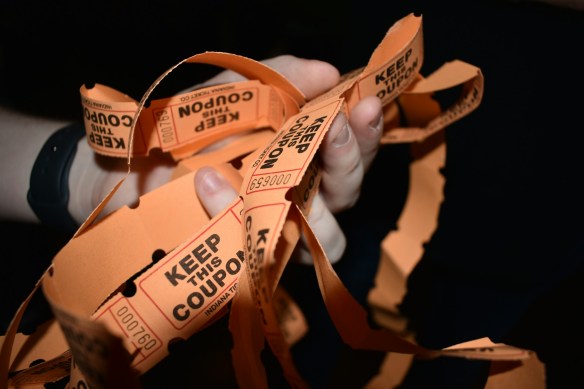
RAFFLE TICKET SALES
Raffle tickets will be sold starting Sunday morning through Wednesday evening. NO Tickets will be sold on the High Days or Sabbath.
Tickets are 1 for $1 or 6 for $5 etc. A list for the contacts on ticket sales and the activities will be available at the Information Table.
As you know each year the funds raised by the Raffle helps us to plan for the next years Feast activities. Your participation in the Raffle helps us to do just that and it is very much appreciated.
FUN SHOW
It’s time to prepare your act for the Fun Show. If you are singing then you will need to bring your own music such as a Thumb Drive, CD or instrument. Please bring anything you need to do your ACT as we may not have it available for you. Now’s the time to start rehearsing at home so you will be prepared!
A list for the contacts of the activities will be at the Information Table for you to view.
We all look forward to a fun evening of comedy, singing or instrumentals. Just have fun and show your talents!
FOT Branson First Holy Day Meal
The first day of the Feast is a double Sabbath, September 26, 2026 at 1:00 PM we will have a meal served after Services. The meal will be served buffet style in the Breakfast area next to the Sunset Meeting Room on the 9th Floor.
Main:
Tender Slow-Cooked Beef Pot Roast with Gravy
Garlic-Herb Grilled Chicken Breast
Sides:
Mashed Potatoes
Steamed Green Beans (No Bacon))
Bread:
Yeast Dinner Rolls with Honey Butter
Dessert:
Apple Cobbler
Drinks:
Coffee
Brewed Iced Tea
Ice Water
When Grand Plaza Hotel (Summit Night Life) has everything set up we will then serve ourselves through a buffet line. Please only take one serving.
Work Out Your Own Salvation
When Paul told the Philippians to “work out their own salvation” was he telling them they could decide for themselves what was right and what was wrong or was there more to it? Phil 2:12
FOT Branson Meet and Greet
As is our tradition on opening night we will have a short Welcome Service by the Feast Coordinator Wynn Skelton at 6:00 PM Friday, September 25th in the Sunset Meeting Room on the 9th Floor. Following the service is our Meet and Greet fellowship.
It’s a great time to mingle and meet others. We look forward to seeing you there!
FOT Branson Special Activity Rooms at Grand Plaza
Lower Level Activity Rooms
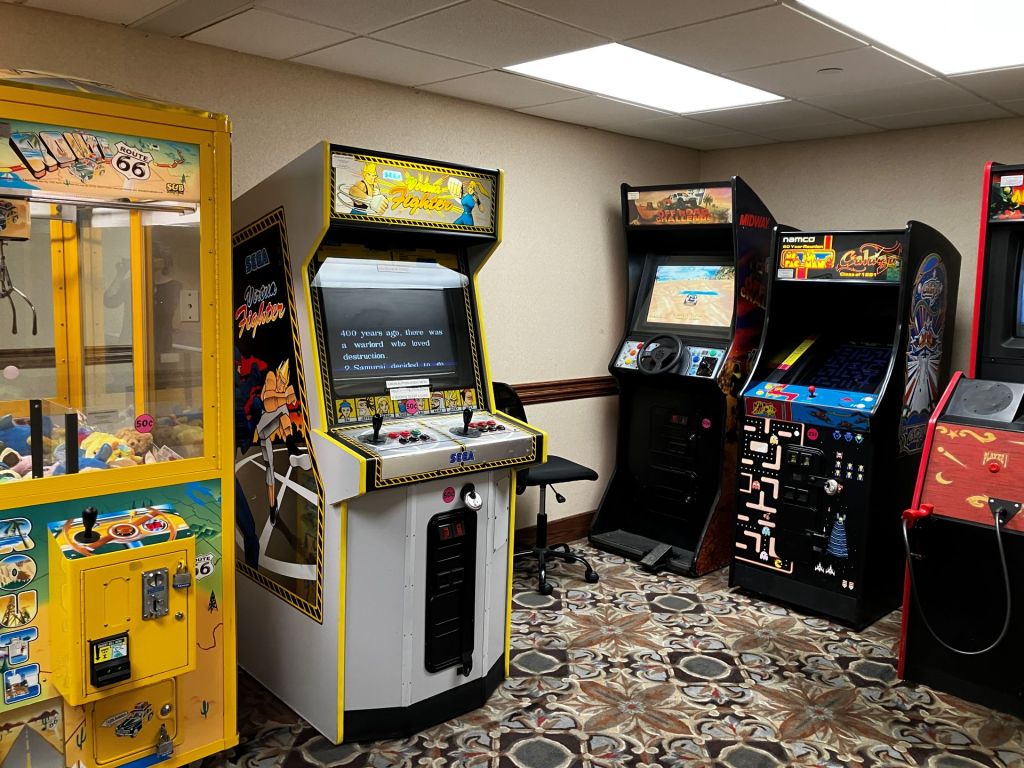
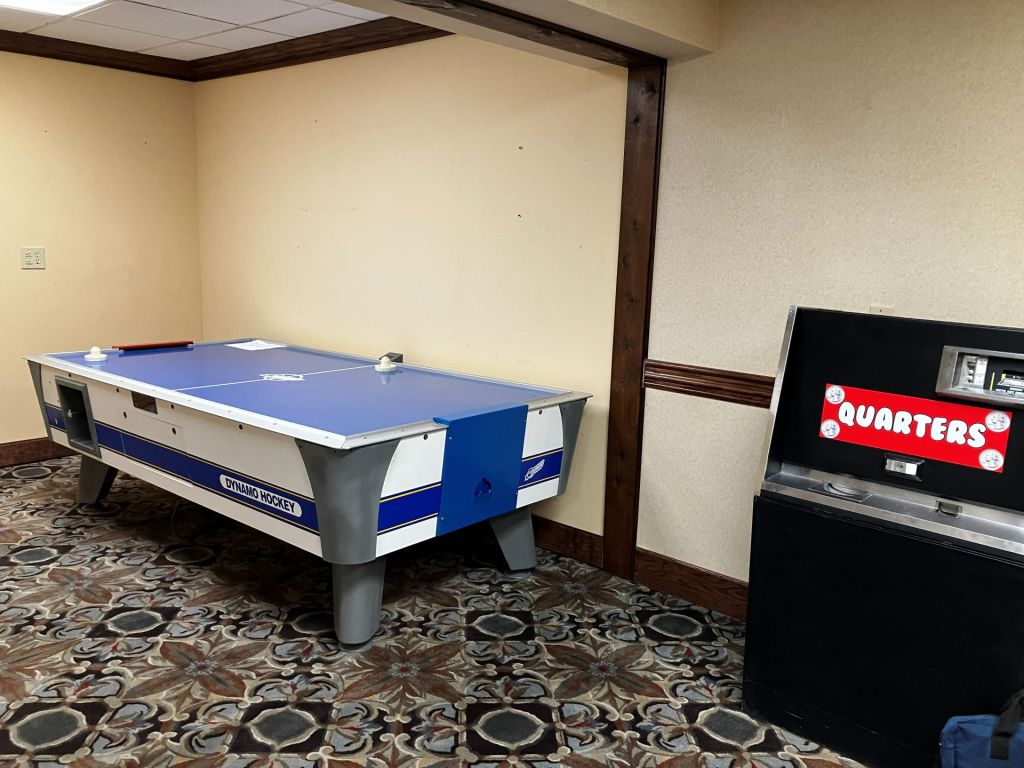
Things you might be interested in that are located within the Grand Plaza Hotel and Conference Center that you may not know about. These special activity rooms are located on the lower level of the Hotel where the Lobby is.
The Game room is a great spot to hang out if you have teenagers. They have an air hockey table and several old fashion video machines. For your convenience there is a dollar bill changer for quarters to operate the machines.
There is a room near the game room that has every brochure about what goes on in Branson. There are Maps of Branson so you can find your way around. Maps and Brochures are free!
Continue readingFOT Branson Women’s Tea
Women’s Tea
Ladies, we invite you to join us for an afternoon of tea, light refreshments, games, and fellowship. This is an opportunity to grow together as God’s family by renewing old friendships, welcoming new friends, and building lasting bonds of fellowship.
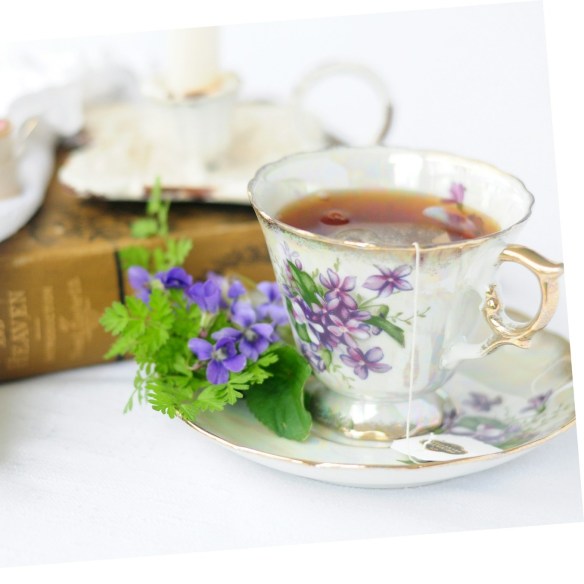
We will have Women’s Tea at 2:30 to 4:00 PM Sunday, September 27th in the Wildwood Meeting Room on the 9th Floor.
Come be refreshed, encouraged, and enjoy this special time together!

